Growing up, I was always performing, singing, crafting, painting or writing fantasy stories, and I was certain I would work in the arts. However, in high school I fell in love with studying natural sciences, finding magic in understanding the physical world.
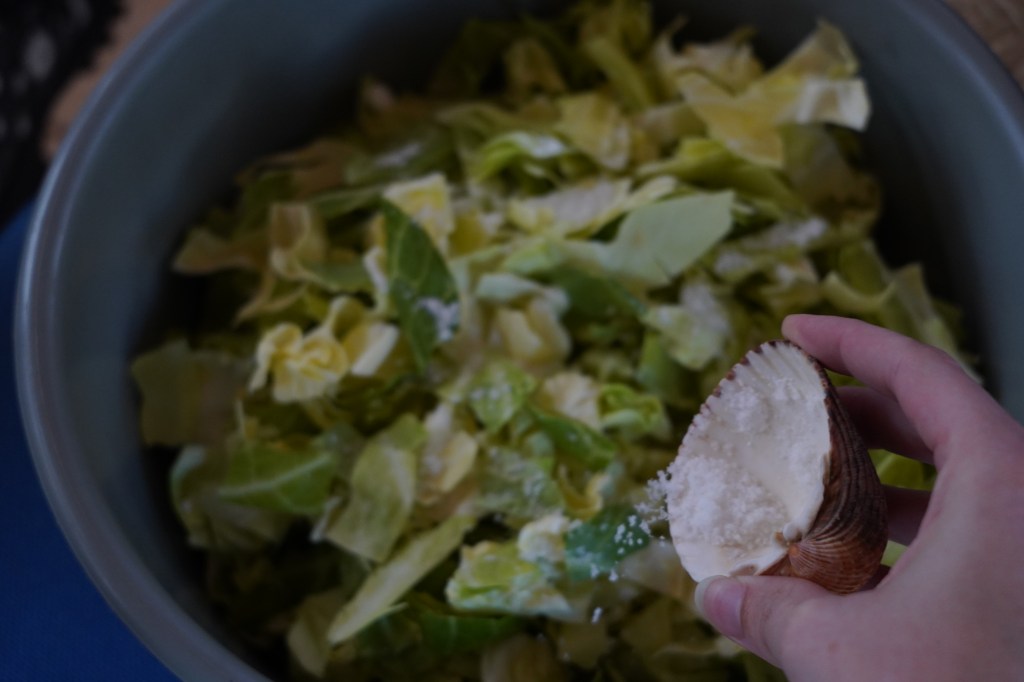
After my bachelor in Nanobioscience, then master’s in Journalism, I became increasingly concerned with climate change and explored ways of living more sustainably. I could see that when I changed my behaviours, others around me became inspired to change theirs too. I volunteered in groups like Gro Selv, facilitating skill-sharing workshops in sustainable living habits like foraging and fermenting…
I began working with food practices as a way of enabling climate-friendly lifestyles and perceptions of the world. Ever since, I have been growing communities which explore sustainable and just norms, co-developing formats which make these norms easily shareable.
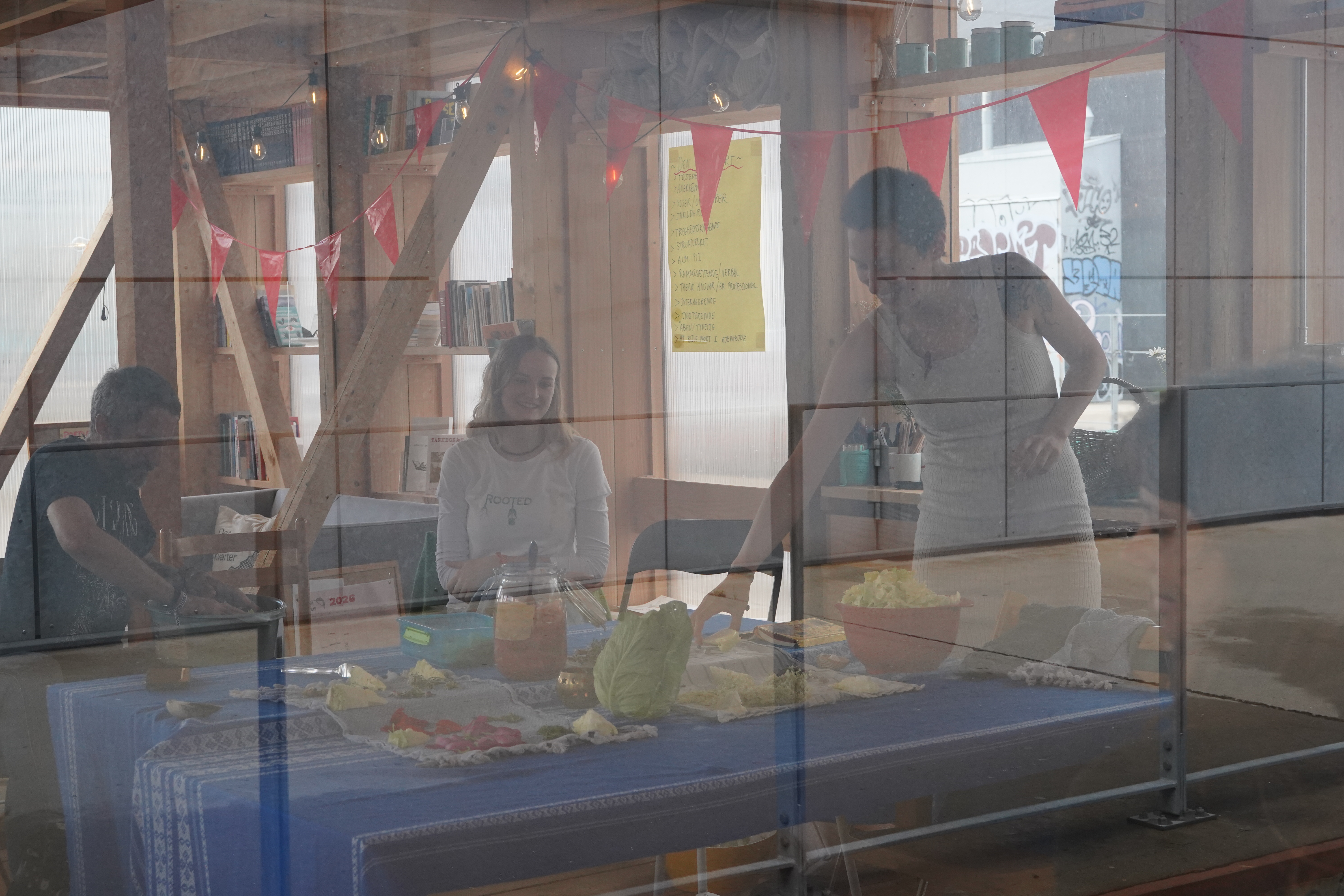
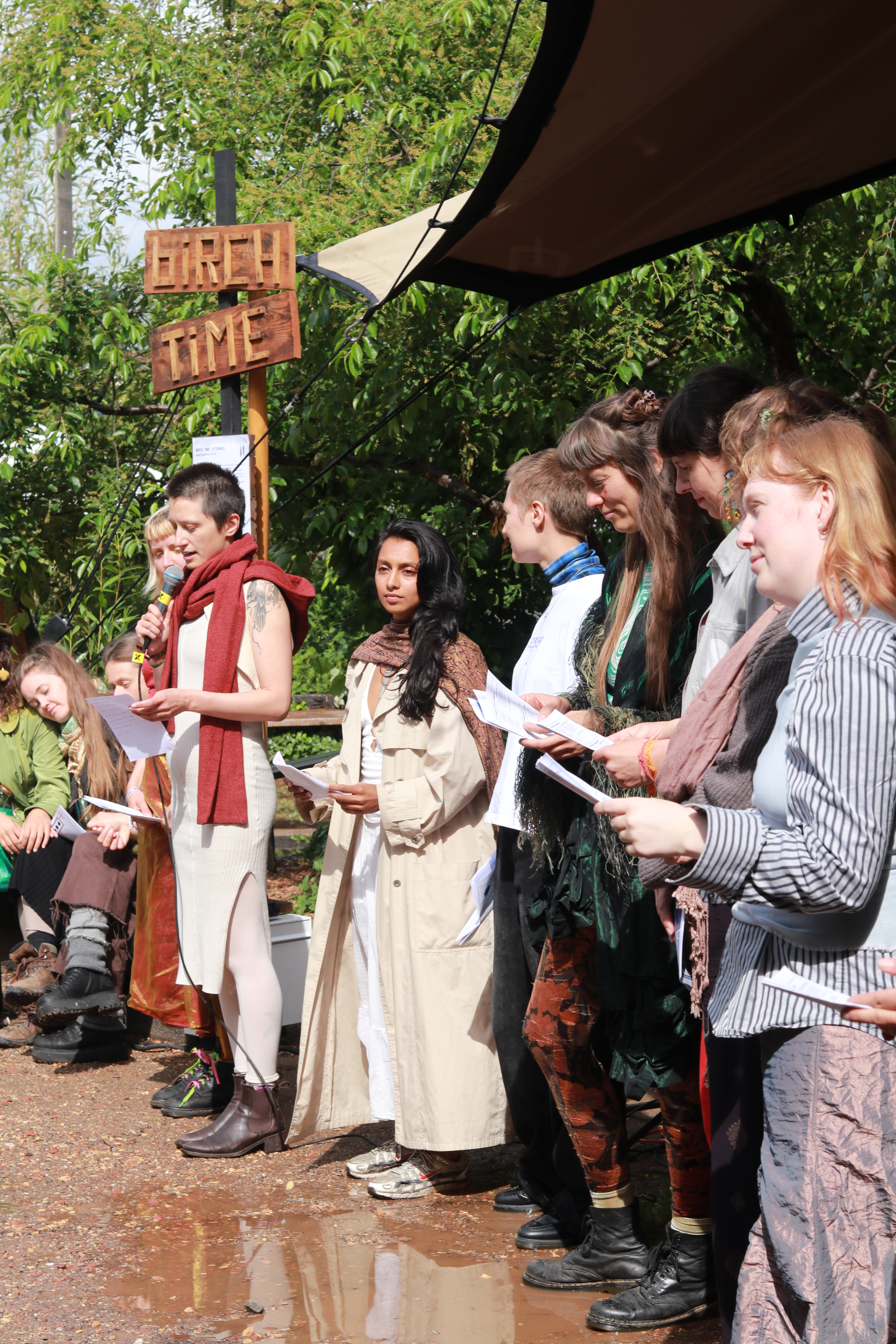
I am inspired by the iterative processes of fermentation practices. I focus on “folk” traditions which work in the same way – for accessible, sensuous, practice-based knowledge-making. This includes fermentation, storytelling and singing, but also more “modern” traditions, like zine-making and digital tools.
Inspired by the great diversity in my own social circles, I try to work in formats which are accessible to as many people as possible, without prior knowledge, and often bridging different types of people – such as artists and political activists, storytellers and cooks.

What is just and sustainable?
It necessary to study the systems causing climate change to understand the many shifts in our systems needed for climate change mitigation and adaptation.
My work, like that of many others, aims to shift our perception of humanity to see ourselves as part of nature / an equal member of ecosystems of the planet. This shift in how people see humanity can make us, and especially political decision-makers, prioritise ecosystem values over recently developed ideas of economic value.
My work is not only focused on sustainability, but also justice. Working intersectionally is vital to address systematic issues – food systems are shaped by politics and history. My workshops are easy for anyone to engage with, while being designed intentionally with support for larger activist movements in mind. For example, helping consumers to love local veggies and buy them from small-scale farmers and local food coops – thereby pushing for a societal shift from globalised, polluting food systems which disregard human and animal well-being… to bioregional food systems that nourish communities and ecosystems.
Decolonialisation, accessibility and inclusivity are not just words for me, but practices I work with actively in myself and my communities. For example, I co-organise a study group on transformative justice, working with improving community accountability through conflict practices.
A few of my inspirations
“Braiding Sweetgrass” by Robin Wall Kimmerer
weaves together indigenous practices and scientific study, recognising the value of different ways of knowing and the synergy between them.
“Emergent Strategy” by adrienne maree brown
shares an approach to facilitating change – by working openly with people and addressing the needs present.
“Our cultured lives” by Julia Skinner
describes the history of fermentation practices through an intersectional social justice lens.
“The Work that Reconnects”
provides a framework of creative workshop practices for addressing the polycrisis of our time – by addressing emotional needs, reflecting and taking action (ecological, climate, war, etc).
Let’s connect.
 Sarafina McPherson Kimø